Four-Step Procurement Process
Our process is designed separately for each customer. Click to explore step details.
Clarifying Requirements
Product type, volume, delivery time, and current inventory level are evaluated together. The company's production plan and seasonal demand profile are also considered at this stage.
Identifying Risk Points
Timing risk, price volatility, and inventory costs are analyzed separately. Market trends and potential supply disruptions are evaluated to create a risk map.
Selecting Procurement Model
From spot, seasonal, or planned procurement models, we determine the best fit for the conditions. The cost and risk profile of each model is compared to deliver the most efficient option.
Tracking and Updating
As market conditions change, the plan is reviewed to prevent ill-timed purchases. Continuous monitoring and periodic reporting keep the process dynamic.
Clarifying Requirements
The starting point of the process is properly defining the demand. Many procurement errors originate from needs that are poorly or incompletely defined at the start. That's why we evaluate product type, volume, delivery time, and current inventory level together.
The company's production plan's near-term requirements, current inventory status, and delivery time constraints are considered together to create a realistic demand framework. The goal here is to answer not just "what is needed" but also "when and how much is needed".
Parameters Evaluated in This Stage
- Product specification and technical requirements
- Requested volume and minimum order quantity
- Expected delivery time and logistics constraints
- Current inventory level and production plan
- Seasonal demand fluctuations
Identifying Risk Points
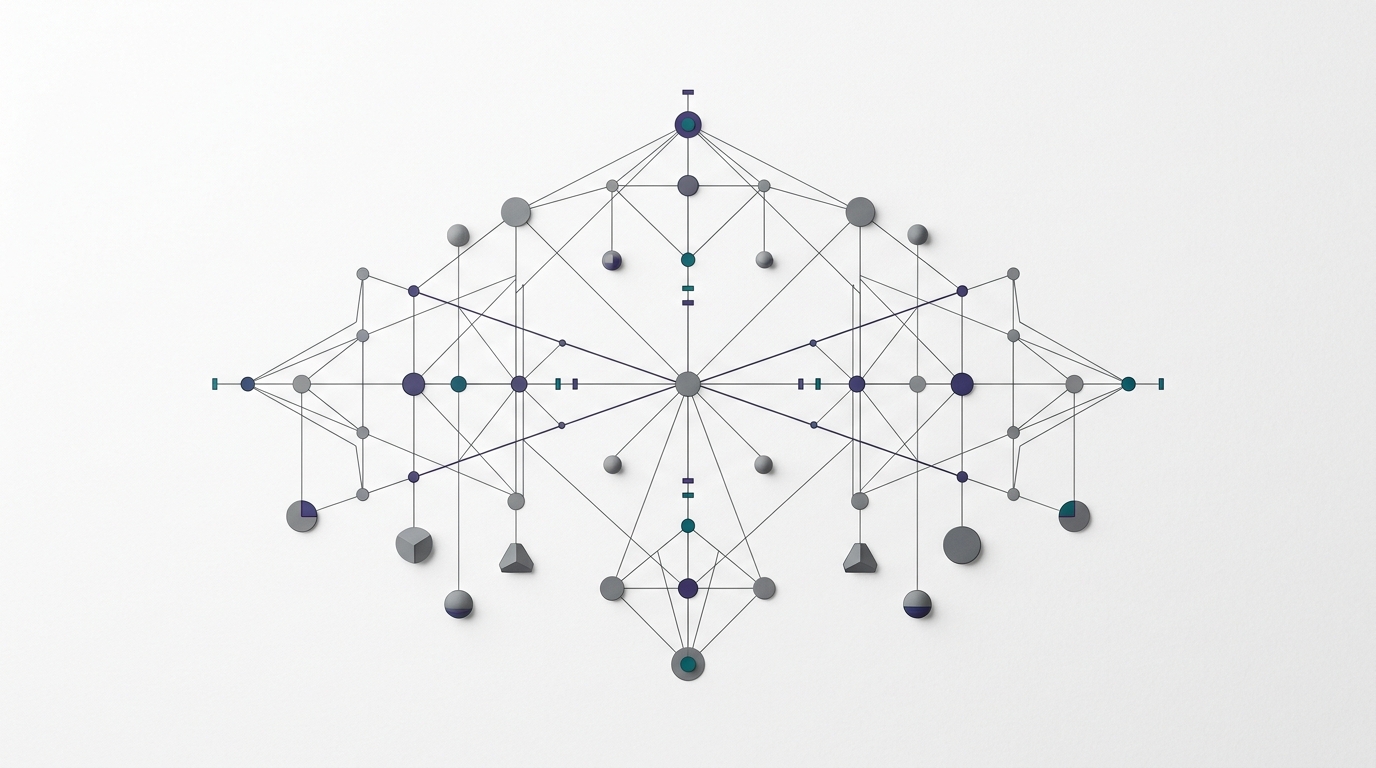
Once requirements are clarified, we separately analyze what risks exist in meeting that demand. Timing risk, price volatility, and inventory costs often move in opposite directions.
We evaluate how market conditions might influence current pricing, compare inventory holding costs against supply delay risks, and create a risk map. The goal is the lowest total risk cost, not the lowest price.
Risk Assessment Dimensions
- Price volatility and market trends
- Supply chain disruption risks
- Inventory holding costs and financial pressure
- Delivery time uncertainty
- Exchange rate and logistics cost fluctuations
Building the Right Procurement Model
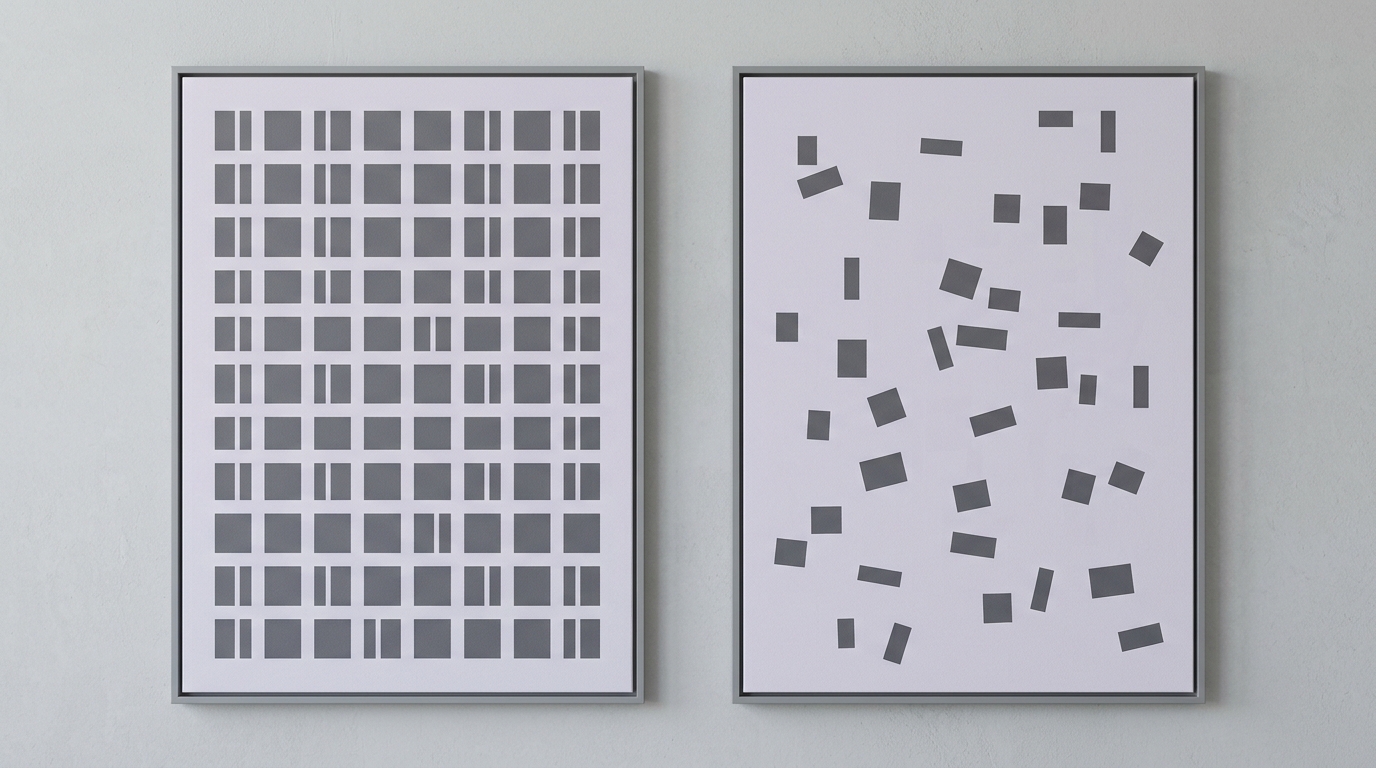
After risk analysis is complete, we determine the procurement model best suited to the company's conditions. This decision is shaped by company size, production rhythm, cash flow expectations, and inventory capacity.
No single model is right for everyone. That's why we determine whether spot, seasonal, or planned procurement models work best for each company based on its conditions.
Spot Purchase
- Urgent and low-volume needs
- Capitalize on market opportunities
- Flexible, commitment-free structure
Seasonal / Planned Purchase
- Companies with predictable production rhythm
- Price locking and cost control
- Long-term supply security
Tracking and Updating
Procurement is not a one-time operation. Periodic updates are necessary as market movements, supply chain changes, and customer internal dynamics unfold. This step keeps the process alive and dynamic.
Plan building is as critical a decision as timely plan revision. As market conditions change, we evaluate together to minimize the risk of ill-timed purchases.
Tracking Scope
- Monitoring global raw material price trends
- Supply chain logistics and production changes
- Seasonal plan reviews and update recommendations
- Customer inventory and consumption rate tracking
- Periodic status reporting
Decision-focused procurement discipline
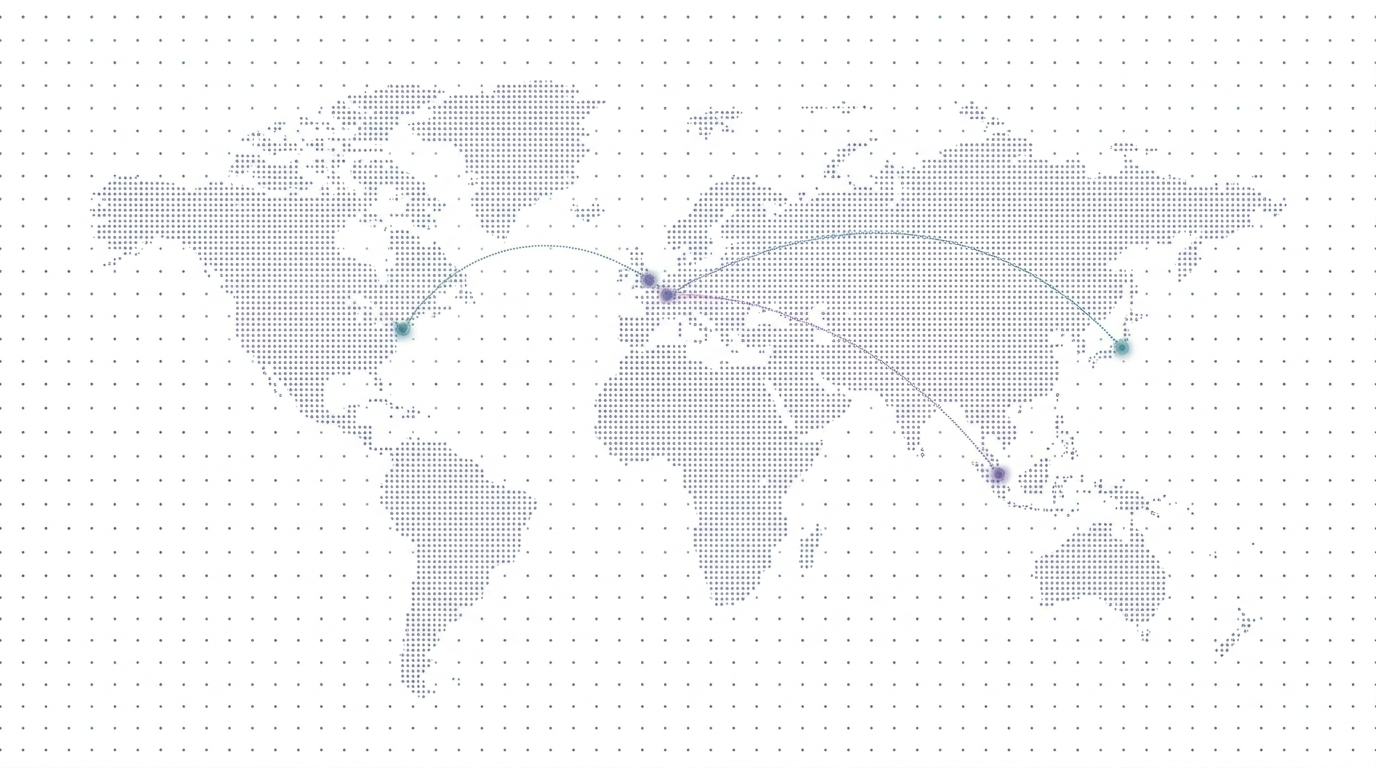
This approach doesn't promise price advantage. It aims for more controlled purchasing decisions. The companies we work with collaborate with us not just to receive a price list, but to make their procurement processes more systematic, more accountable, and less risky.
This methodology is designed not for one-time transactions but for long-term procurement relationships. Each step builds on the previous one, and the process is continuously developed together with the company.